We’ve all heard it since childhood: “Brush your teeth twice a day.” And while that advice is a good start, relying on brushing alone is like washing just your hands and hoping your whole body stays clean. Good oral hygiene requires more than just your toothbrush. Here’s why brushing twice a day isn’t enough and what you should be doing to truly protect your teeth and gums.
Brushing Doesn’t Reach Everything
Your toothbrush cleans the front, back, and chewing surfaces of your teeth, but it can’t squeeze between them. The tight spaces between teeth are breeding grounds for bacteria and trapped food. Over time, this buildup leads to plaque, tartar, and decay in those hard-to-reach areas. Worse yet, your gums can become inflamed and start to recede, a major sign of gum disease.
Solution: Floss Daily
Flossing isn’t optional, it’s critical. It removes debris and plaque between teeth where brushes can’t reach. If flossing is tricky for you, try floss picks, interdental brushes, or a water flosser like a Waterpik. The key is consistency, once a day is ideal, preferably at night. For more information about how to floss properly, read our Flossing blog.
Plaque Turns to Tartar Quickly
Plaque is a soft, sticky film full of bacteria. Left alone, it hardens into tartar (also called calculus) within just 24–72 hours. Once tartar forms, no amount of brushing or flossing will remove it, it’s too hard. Tartar builds up especially around the gumline, where it contributes to gum inflammation and periodontal disease.
Solution: Schedule Professional Dental Cleanings Twice a Year
Only a hygienist can remove tartar safely using professional tools. These visits also allow your dentist to spot issues early, before they become expensive or painful. If you’re prone to tartar, cleanings every 3–4 months may be advised.
Most People Don’t Brush Properly
Let’s be real, how often do you really brush for a full two minutes? Most people brush for 30–60 seconds, often missing back teeth, gumlines, or brushing too hard with worn-out bristles. Poor technique can leave plaque behind and damage delicate gum tissue.
Solution: Use the Right Tools and Techniques
-
Use a soft-bristled toothbrush, preferably electric, with a pressure sensor and built-in timer. For more information on how to choose the right toothbrush, read our blog.
-
Brush in small circular motions, not just back-and-forth. For tips of how to brush properly, read our blog about Brushing Your Teeth The Right Way.
-
Replace your brush every 3 months or when bristles fray.
-
Make sure to reach all areas, especially back molars and behind your front teeth.
Bacteria Live Beyond Just Teeth
It’s easy to forget that bacteria don’t only live on your teeth. Your tongue, gums, cheeks, and even your toothbrush can harbor odor-causing germs. These bacteria can contribute to bad breath, infections, and overall poor oral hygiene, even if you’re diligent about brushing.
Solution: Clean Your Entire Mouth
To tackle this, it’s important to clean your entire mouth, not just your teeth. Start by cleaning your tongue daily using either a tongue scraper or your toothbrush. Follow that with a good antibacterial mouthwash to target areas brushing and flossing may miss. Make sure to store your toothbrush upright in an open area where it can dry completely, and replace it after any illness to avoid reinfection.
Your Diet Can Undo All Your Brushing Efforts
You might brush and floss perfectly, but if you’re constantly snacking on sugary or acidic foods and drinks, your mouth is under attack all day long. Acidic foods weaken your enamel, and sugar feeds the bacteria that create cavities. It’s not just what you eat, but how often you eat it, that puts your teeth at risk.
Solution: Be Smart About Snacking and Drinking
To protect your smile, it helps to be mindful of what and how often you consume certain foods. Try to limit sugary or acidic snacks to mealtimes, when saliva production is higher and can help neutralize acids. After eating, rinse your mouth with water or chew sugar-free gum with xylitol to boost saliva flow and help clean your mouth. And if you’ve had something acidic like citrus or soda, wait at least 30 minutes before brushing, brushing immediately can damage softened enamel.
Mouthwash Isn’t Just for Fresh Breath
Mouthwash often gets treated like an optional extra, used only for a quick burst of minty freshness. But a good mouthwash can actually play a key role in your oral care routine. Depending on the type you choose, it can reduce bacteria, strengthen enamel, or help treat early gum issues by reaching areas that brushing and flossing may miss.
Solution: Choose the Right Mouthwash for Your Needs
To get the most out of mouthwash, pick one that fits your needs. Fluoride rinses help strengthen teeth and prevent cavities, while antibacterial mouthwashes can support gum health and freshen breath. Use mouthwash after brushing and flossing, and swish for a full 30 seconds to allow it to work effectively. Don’t rinse with water afterward, this dilutes the active ingredients before they’ve had time to protect your teeth.
Oral Health Goes Beyond Brushing
Brushing is only one piece of the puzzle. Think of oral care like a fitness plan, doing one exercise won’t get you in shape, and brushing alone won’t keep your mouth healthy. Real results come from a full routine that includes proper tools, techniques, habits, and professional support. Your complete oral care routine should include:
-
Brushing twice a day for 2 minutes
-
Flossing once daily
-
Using mouthwash suited to your needs
-
Cleaning your tongue
-
Eating and drinking with your teeth in mind
-
Visiting your dentist every 6 months
Don’t wait until something hurts to take action. Whether it’s adding flossing to your day, making better food choices, or simply getting back on track with regular cleanings, small changes now can prevent major issues later. By stepping beyond the “twice a day” myth, you give your teeth the long-term care they deserve, and your smile will thank you for it.
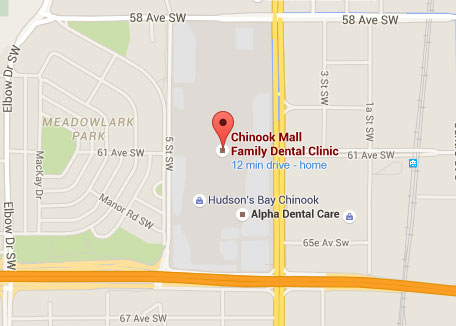
If it’s been a while since your last dental visit, or if you’re ready to take your oral care to the next level, Chinook Mall Family Dental is here to help. Our friendly, experienced team offers gentle cleanings, thorough exams, and personalized advice to keep your smile in top shape. Book your appointment today and give your teeth the full care they deserve. Because a healthy smile isn’t just something you brush for, it’s something you build for life.