Minimally Invasive Options
Minimally invasive dentistry, also known as microdentistry, is designed to protect healthy structures in teeth. What separates it from other forms of dentistry is that it is focused on nominal dental intervention. By using technological developments, minimally invasive dentistry enables practitioners to use the smallest amount of dentistry needed without removing more than the necessary amount of tooth structure. Additionally, this method allows dentists to utilize time-tested materials that conserve the most tooth structure and reduce the need for additional dental work.
To start, the dentist evaluates the patient for tooth decay. Bacteria, saliva consistency and eating habits all contribute to tooth decay. The dentist will then implement strategies to eliminate or lessen the patient’s risk for decay. If plaque or decay has not caused a significant amount of damage, it may be possible to implement preventative, minimally invasive options.
Options
Minimally invasive options for dentistry are numerous. A few of these options are:
Bite Splints
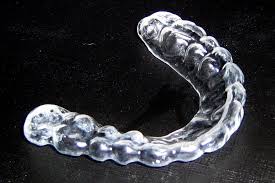 A lot of people grind their teeth, especially at night when they are asleep. Grinding, also known as bruxism, can cause severe tooth damage and may require the patient to get crowns. Bruxism usually begins in adolescence or shortly after and it can usually be recognized and repaired before too much harm occurs. Dentists prescribe bite splints for their patients to wear at night or at times that cause stress. The splint helps prevent future grinding.
Sealants
Sealants are most often made from plastic resin and are used to shield teeth from bacteria. They fit into the furrows and indentations of teeth and form a barrier to protect the patient from plaque and acid. Cutting of the teeth is not necessary. Sealants can be positioned on the patient’s teeth at any time as long as they are susceptible to decay. This method is best utilized for the detailed removal of decay. Brushing and flossing do not always reach all of the teeth’s crevices, particularly those located in the back.
Remineraliztion
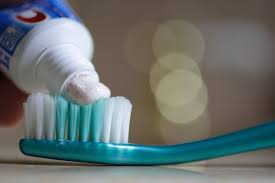 Remineralization involves restoring deteriorated minerals in the teeth. Fluoride is commonly used in this process as it repairs damage found in demineralized teeth. Using fluoride is the most accepted form of remineralization, but others have emerged over the years. A treatment is considered worthwhile if it does not cause an excess of calcium, functions at an acidic PH and promotes remineralizing saliva properties.
Inlays and Onlays
Dentists often use crowns for tooth restoration, but inlays and onlays make a great alternative. They do not require dental professionals to remove as much of the original tooth structure. Inlays are similar to fillings, but unlike fillings, they are customized to fit the tooth’s cavity and are usually the same color as the patient’s teeth. Sometimes, they come in gold coloring. Onlays are implemented for more comprehensive restoration. Like inlays, they do not require the removal of as much tooth structure that a crown would.
Air Abrasion
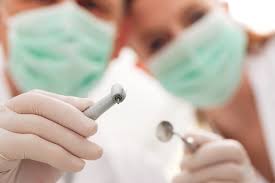 Air abrasion is used to remove decay when remineralization is not an option. It takes the place of a traditional drill and it can often be used without anesthesia. Air abrasion is like sand blasting, but on a microscopic level. It uses a jet of air coupled with ultra-fine abrasive powder. This powder is composed of silica, aluminum oxide or a type of baking soda concoction. Decay is removed as the particles from the powder hit the tooth.
Hard Tissue Laser
The advancements in the dental field have allowed practitioners to easily remove tooth decay in a safe manner with lasers. This method is performed with minimal loss to the teeth. It produces a miniscule level of pain, or none at all, which means that anesthesia is often unused for this procedure. Hard tissue laser treatment is typically done in a short amount of time, especially if a sedation method is not being used.
Most dentists utilize several or all of the minimally invasive options listed above. Consider asking your dentist which options they implement and if a minimally invasive dental procedure is right for you.