Injuries to the Mouth- What You Should Know
Everyone is prone to injuries, the young and old. Most occur from playing sports but life brings with it many slips and falls. Other common causes, falling over, being hit in the face or even eating something too hard for your teeth can result in a broken tooth. An injury to your teeth may result in bleeding and swelling. It may also cause:
- your tooth to come loose
- your tooth to crack or break
- your tooth to be knocked out
- damage to your tooth’s root
What to do First
This is dependent on the severity of the injury. If there is a slight cut or bruise to the lip or tongue there may be no need for treatment. If your tooth has been cracked or chipped this does not require immediate treatment but you will need to book in with a dentist straight away to ensure no further damage.
If you are bleeding after a dental injury
- Apply pressure over the area with a pad, made of a clean cloth or clean cotton handkerchief that is slightly dampened with water
- Keep the pad in place for a good 15min, do not remove it during this time. Check to see if bleeding has stopped, if not repeat and keep the pad in place until you are able to get into see a healthcare professional
- If you are in pain take the recommended dose of your at home pain medication such as Advil or Tylenol
If An Adult Tooth Gets Knocked Out
- Do not throw it away!
- Call your dentist urgently, as the tooth that was knocked out maybe able to be put back in place
- Handle the tooth carefully, by the crown not the root
- Do not scrub or rinse the tooth with water
- Put the tooth in a container of cold milk, it maintains the correct fluid balance in the root, helping it survive longer
- If the tooth looks clean place it back in its socket
- If you have swelling use a cold compress against your cheek to reduce pain and prevent inflammation
When your tooth has been knocked out quick action is key in your tooth’s survival. Over 2 hours the chances become poor.
If Something Gets Lodged Between Your teeth
- First use dental floss to gently and carefully remove the object
- Do not poke your teeth or near your gums with a pin or pointed object
- See your dentist if you are unable to safely expel the object yourself
If You Loose a Filling
- Soften a piece of sugarless chewing gum and apply it to the spot where the filling was lost
- Book in with your dentist immediately
Preventing Dental Injury
The Canadian Dental Association suggests the following:
Prevention for Adults
- Do not chew hard objects that can crack your teeth such as ice, popcorn kernels and hard candy
- Use scissors to cut tape or thread, not your teeth
- Wear a mouth guard if you are participating in sports or recreational activities to reduce the chances of damage to your teeth, lips, tongue and cheeks
Prevention for Children
- Babies will chew on almost anything. Keep them away from anything that could crack or damage their teeth
- Children fall a lot when they are learning to walk. Check for missing teeth, breaks, cracks or loose teeth and take your child to the dentist if you see any of these signs
- If your child plays sports ask your dentist about a mouth protector and mouth guard to help prevent dental injuries. A mouth guard also acts as a cushion to prevent broken jaws, neck injuries and even concussions. If you encourage your child to wear a mouth guard it will become a good safety habit like wearing a seat belt or helmet.
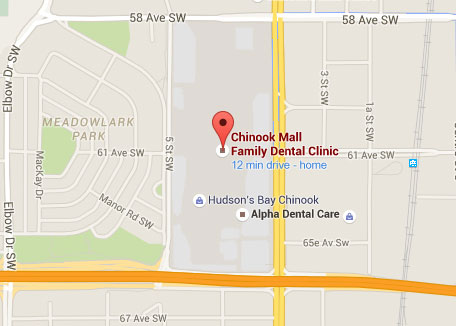
When dealing with oral problems, the sooner you get treatment, the better. Chinook Mall Family Dental Clinic is committed to its patients, if you have suffered an injury to your mouth please call us immediately so we can start treatment for you without delay.