How to Deal with Tooth Enamel Loss
Tooth enamel is the hardest substance in your body, but it’s not indestructible. Once it wears away, it doesn’t grow back, which is why catching enamel loss early and knowing how to manage it matters. Here’s what causes it, how to spot it, and what you can do about it.
What Causes Tooth Enamel Loss?
Enamel erosion happens gradually, usually from a combination of these factors:
- Acidic foods and drinks, including citrus, soda, wine, and coffee, which soften enamel over time
- Frequent snacking, which keeps your mouth in an acidic state longer than a few larger meals would
- Teeth grinding (bruxism), often happening at night without you realizing it
- Acid reflux or frequent vomiting, which exposes teeth to stomach acid
- Brushing too hard or too soon after eating, which can wear down already-softened enamel
- Dry mouth, since saliva helps neutralize acid and protect enamel naturally
Signs You May Have Enamel Loss
Enamel loss is often gradual, so the signs can be easy to miss at first:
- Increased sensitivity to hot, cold, or sweet foods
- Teeth that look yellow or translucent at the edges
- Smooth, shiny spots on the tooth surface
- Visible cracks or rough edges
- More frequent cavities than usual
Enamel Loss vs. Cavities: What’s the Difference?
Both can cause sensitivity and discomfort, which is exactly why they get confused, but they’re different problems with different causes.
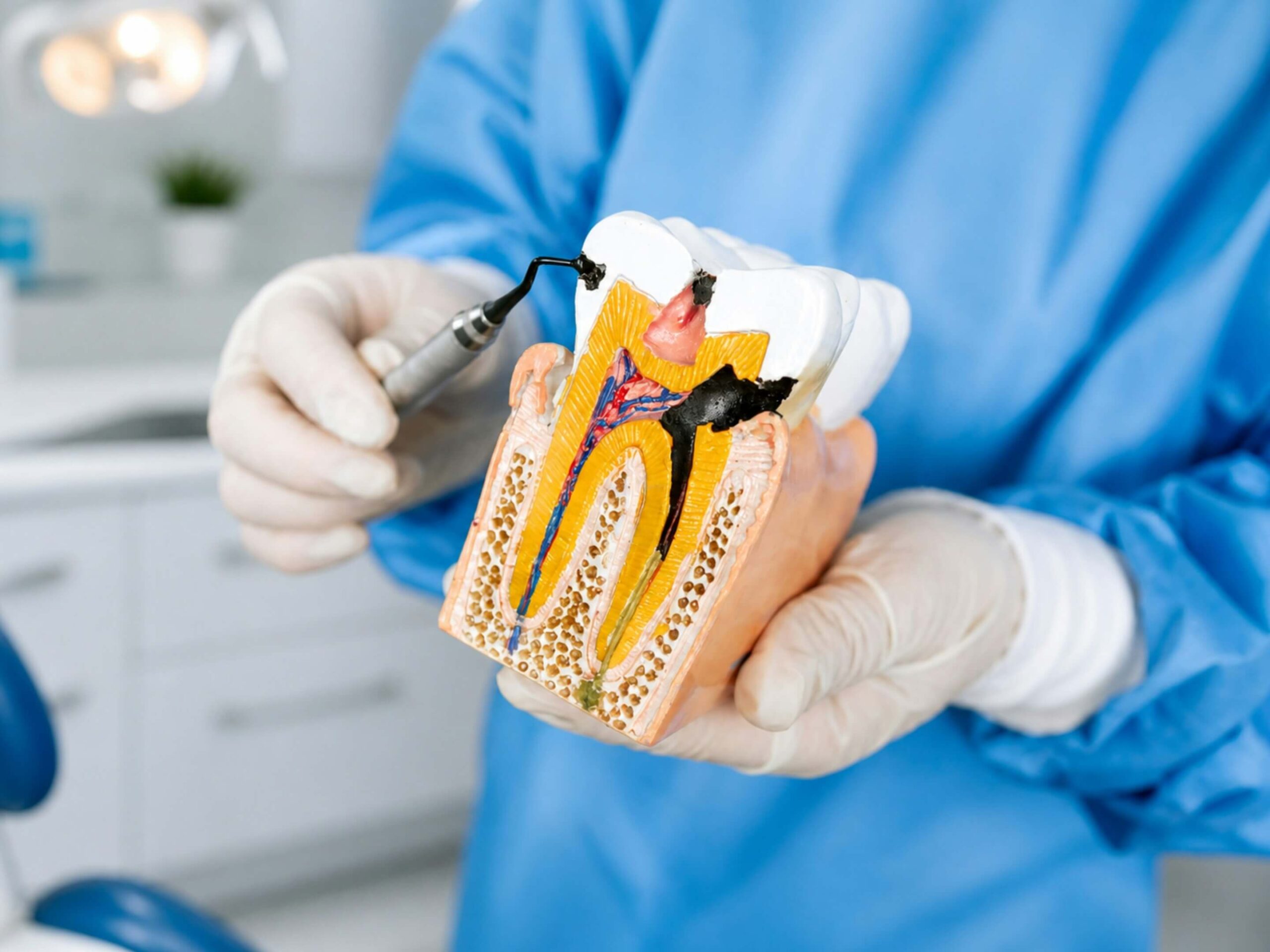
- Enamel loss happens gradually, from acid exposure, grinding, or general wear over time. It affects the outer surface broadly, often across multiple teeth, and doesn’t create a hole. The tooth may look thinner, more translucent, or slightly yellowed as the enamel wears down, but the structure stays intact.
- Cavities, on the other hand, are caused by bacteria that break down enamel in one specific spot, eventually creating a hole (decay) in the tooth. Cavities are localized, they show up as a distinct point of damage rather than gradual wear across the whole tooth.
Both conditions can cause similar symptoms: sensitivity to hot, cold, or sweet foods, and general tooth discomfort. But enamel loss is a wear pattern, while a cavity is active decay that will keep progressing if untreated. Treatment is different for each. Enamel loss is managed with fluoride, bonding, or protective habits, while a cavity needs to be cleaned out and filled, since the decay itself doesn’t stop or reverse on its own.
Can Enamel Loss Be Reversed?
Not fully. Enamel doesn’t regenerate once it’s gone, but early-stage erosion can sometimes be managed with fluoride treatments, which help strengthen and remineralize the surface before more damage occurs. This is one reason regular teeth cleaning appointments matter; catching enamel wear early gives you more options than waiting until it’s advanced.
How to Protect What Enamel You Have Left
A few daily habits go a long way:
- Rinse your mouth with water after acidic foods or drinks instead of brushing right away
- Use a soft-bristled toothbrush and avoid aggressive brushing
- Limit sipping on acidic or sugary drinks throughout the day
- Chew sugar-free gum to stimulate saliva production
- Wear a night guard if you grind your teeth, ask your dentist if this is a good fit for you
What Are the Treatment Options for Enamel Loss?
Depending on how advanced the wear is, treatment can range from simple to more involved:
- Fluoride treatments for early-stage erosion
- Dental bonding to repair small chips or worn edges
- Crowns or veneers for more significant wear, especially where enamel loss has affected the tooth’s structure or appearance
- Emergency care if a weakened tooth cracks or breaks unexpectedly; our emergency dentist services are available for exactly these situations
If enamel loss has already affected the look of your smile, options through our cosmetic dentistry services can help restore both function and appearance.
A Note on Teeth Whitening and Enamel
If you’re dealing with enamel loss, it’s worth mentioning to your dentist before booking a whitening treatment, since worn enamel can sometimes mean increased sensitivity during whitening. Our team can advise whether teeth whitening is a good fit for your specific situation, or recommend an alternative approach.
When to See a Dentist for Enamel Loss?
If you’re noticing increased sensitivity, visible changes to your teeth, or any discomfort that wasn’t there before, it’s worth getting checked out sooner rather than later. Enamel loss only progresses over time, and catching it early gives you far more treatment options than waiting until the damage is more advanced. Contact Chinook Mall Family Dental Clinic to get checked today!