Guard Your Mouth- Protect Your Smile
Risk Factors for Dental Injuries: The need for a mouth guard
Being young and physically active is a high risk factor for dental injures. Rates of dental injuries among athletes have been found to vary due to factors such as type of sport played and gender. Some of these sports included
- Skateboarding
- Wrestling
- Boxing
- Karate
- Biking
- Basketball
- Soccer
- Hockey
Whatever sport you or your child is involved in, let our team at Chinook Mall Family Dental Clinic know, so we can ensure your mouth is properly protected.
Why Wear a Mouth Guard
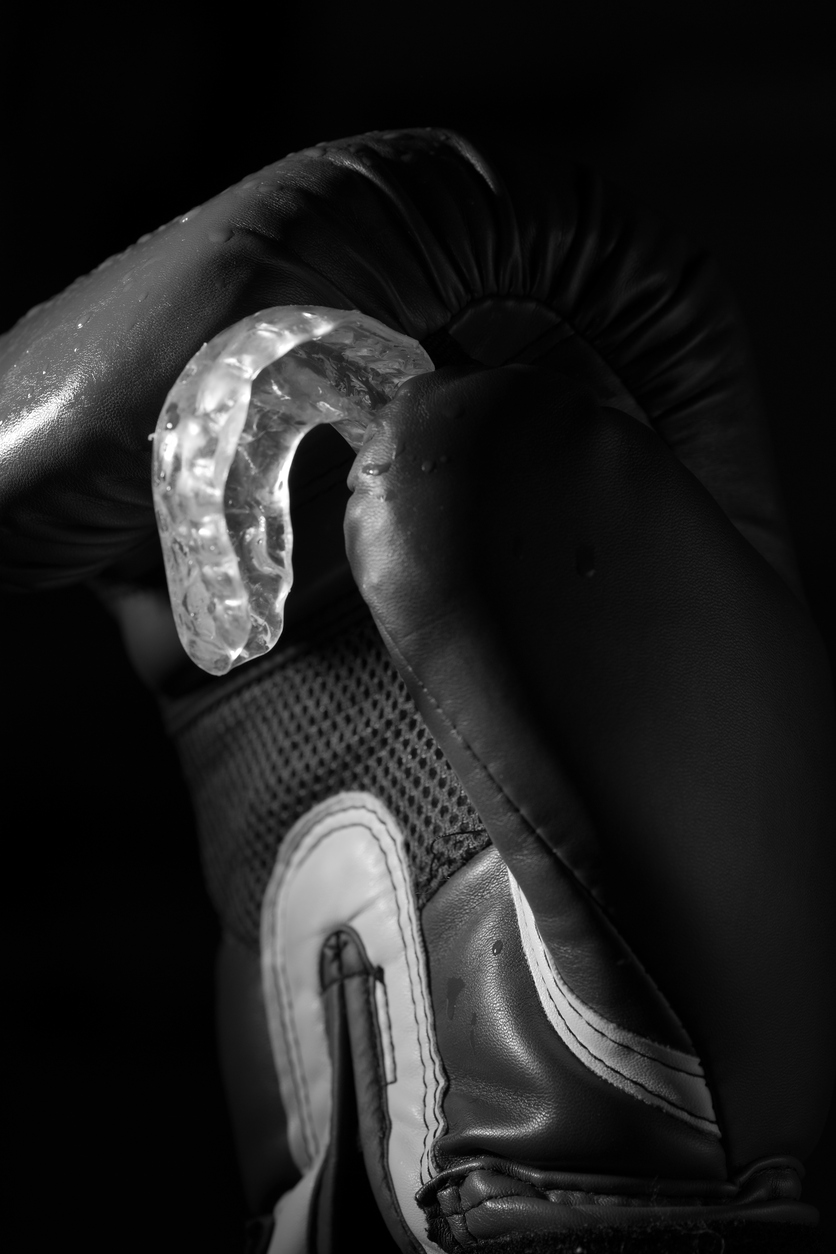
Rates of orofacial sports injury was 1.6-1.9 times higher when a mouth guard was not worn.
The most common injuries sustained were:
- Enamel fracture (39.8%)
- Avulsed (knocked out) teeth (4%)
- To the least common being a root fracture (.04%)
The teeth most frequently affected were upper front teeth, followed by lower front teeth. Injuries that are sustained while wearing a mouthguard were less severe and less expensive.
What Type of Mouth Guard Should I Wear?
There are 3 basic types of mouthguards. Your dentist can explain the difference in cost and comfort, and how well they can protect you or your child.
- Stock mouthguards are inexpensive and come pre-formed, ready to wear. They can be bulky and can make breathing and talking difficult.
- Boil and bite mouthguards are available at many sporting goods stores. They can offer a better fit than stock mouth protectors and are softened in warm or hot water, according to manufacturer’s instructions. By softening the mouthguard, it can more easily take to the shape of your mouth.
- Custom-fitted mouthguards are made especially for you by your dentist. They are more expensive than the other types, but they offer a better fit. Your dentist can make a mouthguard that’s a perfect fit for your mouth.
How Often Should I Replace My Mouth Guard?
It is recommended that mouthguards be replaced every 12 months for both children and adults, or after “significant” dental treatment. At your check ups in our South Calgary Dentist Office we can make sure your mouthguard is in check and doing its job – protecting your mouth, teeth and gums.