Benefits of Sedation Dentistry
 For many people, fear of the dentist isn’t just about being afraid of pain. Sometimes, all it takes is just one look at the examination chair. This is where sedation dentistry can offer some help: light sedation can be used to help any patient relax for whatever procedure is needed, whether it be routine cleaning or something more invasive.
Types of Sedation
There are various types of sedations which can be used, from something that will just help you relax to general anaesthesia. This doesn’t replace the use of local anaesthetic: if the procedure is likely to cause pain, you’ll still receive an injection to numb the area and relieve any pain. Sedation is there to help you with any anxiety you may feel, and can be adjusted depending on the degree of anxiety you have.
- Minimal sedation. Low level sedation that wears off quickly.
- Moderate sedation. Produces extreme relaxation and sometimes even sleep.
- Deep sedation. This level of sedation is usually referred to as general anaesthesia. You sleep through the entire process!
To get more information on the various types of sedation, try reading this article.
Who can benefit?
Sedation is usually most appropriate for people who have extreme fear about the dentist, either a specifically dental phobia or a more generalised anxiety disorder. It may also be useful for other patients in various cases, for example:
- People who have a low pain threshold. Even minor operations can be upsetting when they cause pain, and sedation dentistry can soothe the associated tension.
- People with an extreme gag reflex. This can be mitigated by the relaxation caused by sedation, increasing their comfort during procedures and allowing the dentist more freedom to work.
- People who have very sensitive teeth. The procedures may cause an unusual amount of discomfort for people suffering from sensitive teeth. Sedation dentistry allows them to stay relaxed so the dentist can do their work.
- People who can’t stay still for the required length of time. Whether this is due to disabilities or nerves, sedation can help by reducing the need to move.
- People who need a large amount of work done. If a procedure is going to take a long time, it’s hard to stay relaxed throughout even if you aren’t afraid of the dentist. Sedation takes the edge off the discomfort.
Is sedation dentistry suitable for children too?
It’s quite common for children to be extremely scared of the dentist. Sedation dentistry helps them, the dentist and their parent or guardian by reducing their fear, their urge to move around, and their awareness of what’s going on.
Nitrous oxide inhalation, the minimal level of sedation, is usually safe for children because it is so easily controlled and wears off so quickly. Most dentists are able to give this level of sedation, regardless of the patient’s age.
Some dentists are trained in paediatric care, and they can administer oral sedation for children. This produces moderate sedation, carefully calculated based on the child’s height and weight.
Who can perform sedation dentistry?
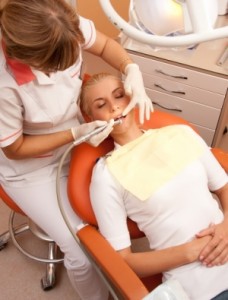 Most dentists are qualified to administer minimal sedation, and an increasing number are able to give moderate sedation after completing additional training and certification. However, most dentists are not trained in giving general anaesthetic. Often, a dentist will partner with an anaesthesiologist who is specifically trained in dental anaesthesia. This professional can administer all levels of sedation and anaesthesia to any patient, including children.
What are the risks?
There are small risks inherent in any procedure involving general anaesthesia, but in general sedation dentistry is safe. The important thing is that the practitioner is fully qualified and experienced in doing this, or works with someone experienced who can oversee what they’re doing.
Other precautions you can take:
- Check on your dentist’s qualifications and experience before agreeing to any procedure.
- Ensure that the dentist or anaesthesiologist takes a thorough medical history from you. This helps ensure that you are suitable for the procedure (some medications, for example, might make it more dangerous) and allows them to calculate the correct dosage for your age and health.
- If you ask about the dosage, you can check if it’s within recommended guidelines.
- You will receive a consent form which details any risks of the procedure. Make sure you read this, ask any questions you need to ask, and go over anything that is unclear with your dentist.
- The dentist should have equipment and drugs on hand to give you oxygen and reverse the effects of sedation if necessary.
Although there are some risks, these are tiny compared to the potential benefits, in most cases. If you have any questions about sedation dentistry, your dentist will be happy to discuss it with you.