Teeth Whitening Methods
Teeth Whitening Toothpastes:
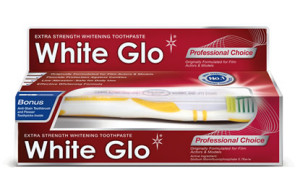
All toothpastes help remove surface stains through the action of mild abrasives. Some whitening toothpastes contain gentle polishing or chemical agents that provide additional stain removal effectiveness. Whitening toothpastes can help remove surface stains only and do not contain bleach; over-the-counter and professional whitening products contain hydrogen peroxide (a bleaching substance) that helps remove stains on the tooth surface as well as stains deep in the tooth. None of the home use whitening toothpastes can come even close to producing the bleaching effect you get from your dentist’s office. Whitening toothpastes can lighten your tooth’s color by about one shade. In contrast, light-activated whitening conducted in your dentist’s office can make your teeth three to eight shades lighter.
 Teeth Whitening Strips and Teeth Whitening Gels:
Teeth Whitening gels are clear, peroxide-based gels applied with a small brush directly to the surface of your teeth. Instructions generally call for twice a day application for 14 days. Initial results are seen in a few days and final results are sustained for about 4 months. Teeth Whitening strips are very thin, virtually invisible strips that are coated with a peroxide-based whitening gel. The strips are applied twice daily for 30 minutes for 14 days. Initial
results are seen in a few days and final results are sustained for about 4 months.Both of these products contain peroxide in a concentration that is much lower than the peroxide-based products that are used in your dentist’s office. Although some teeth whitening will be achieved, the degree of whitening is much lower than results achieved with in-office or dentist-supervised teeth whitening systems. Additionally, use of over-the-counter products do not benefit from the close supervision of your dentist to determine the teeth whitening process that may be best for you. Over-the-counter gels and strips are considerably less expense than the top-of-the line in-office teeth whitening procedures, which are more costly.
Tray-Based Tooth Whitening Procedures:
For the more traditional types of teeth whitening procedures using tray-based tooth whitening systems purchased over-the-counter or through your dentist’s office, the first step involves filling a mouth guard-like tray with a gel-like whitening solution ? which contains a peroxide-bleaching agent. This tray is then placed over the teeth and worn for a period of time, generally from a couple hours a day or every day during the overnight for up to 4 weeks and even longer (depending on the degree of staining and desired level of whitening).
Bleaching procedures performed in the dentist’s office involve a few different or additional steps ? namely, that a protective gel or guard is positioned over the gums before the bleaching agent is applied, the bleaching agent is applied directly to the teeth, and the whitening process is hastened with the use of heat, a special light, or laser light that is directed at the chemically coated teeth. There are other differences that are addressed in the next question.