Sedation Dentistry: Is It Possible to Relax in the Dentist’s Chair?
Does the meer thought of having your teeth cleaned make you want to avoid the dentist? Would you rather cope with a toothace rather than set foot in a dental office ? Is so you’re not the only one. A lot of people are so fearful about going to the dentist that they prefer not to deal with poor oral health
Sedation dentistry can take away some of the anxiety. Sedation Dentistry can be used for everything from advanced procedures to simple teeth cleaning.
What Is Sedation Dentistry?
Sedation dentistry uses medication to help patients relax during dental procedures. Sedation Dentistry is sometimes referred to as “sleep dentistry,” although that’s not a true term. Sedation dentistry patients are normally awake with the exception of those who are under general anesthesia.
Sedation Dentistry has various Levels of Sedation Including:
• Minimal sedation dentistry — you are awake but relaxed.
• Moderate sedation dentistry — You may slur your speech and not remember much..
• Deep sedation dentistry– you are on the verge of consciousness but can still be awakened.
• General anesthesia — you are out cold.
What Types of Sedation Are Used in Sedation Dentistry?
The following types of sedation are used in dentistry: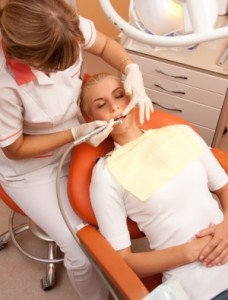
• Inhaled minimal sedation. You breathe nitrous oxide — AKA “laughing gas” — combined with oxygen through a mask that’s placed over your nose. The gas relaxes you and your dentist can control the amount of sedation you receive. The gas normally wears off quickly. After this type of sedation dentistry you can normally drive yourself home after the procedure.
• Oral sedation. Oral sedation can range from minimal to moderate depending on teh dosage given. For minimal sedation, you take typically take a pill called Halcion, which is a member of the same drug family as Valium. It’s normally taken about an hour before the dental procedure. The pill will make you drowsy, but you will still be awake. A larger dose is given to produce moderate sedation if needed. This is the most common type of anesthesia associated with sedation dentistry.
• IV moderate sedation. You receive the sedative drug through a vein, so it goes to work more quickly. This method allows the dentist to continually adjust the level of sedation as needed to keep you calm during a dental procedure.
• General anesthesia. This method of sedation dentistry will make you either almost unconscious or totally during the procedure. You cannot easily be awakened while you are under general anesthesia. Normally you remain unconscious until the effects of the anesthesia wear off or until the effects get reversed with medication.